
SUGGESTED READING
Click on the book cover or title for price and ordering information. PNN receives a small amount of the proceeds -- at no additional cost to the buyer -- for orders placed through Amazon. As an Amazon Associate, we earn from qualifying purchases.
Aging Well With Cannabis: Feel Better, Sleep Better, and Live Better
Dr. Peter Grinspoon wrote this book for “canna-curious” seniors, who’ve heard a lot about cannabis in recent years and may have even used it at a younger age, but are unfamiliar with its health benefits and formulations like edibles. He shares the potential risks and types of cannabis products, as well as dosages and consumption methods. Seniors increasingly identify as cannabis consumers, using it for better sleep, mental health, and pain relief.
Building a Life With Adhesive Arachnoiditis and Stories of Hope
In his latest book, Dr. Forest Tennant describes the latest clinical protocols for the treatment of Adhesive Arachnoiditis (AA), with chapters on medical management, pain control, restorative measures, and physical therapies. Hopeful stories from AA patients are also included — to show that many are able to survive and lead productive lives, despite having a disabling disease that once had a very poor prognosis.
Calm Your Body, Heal Your Mind
Dr. David Hanscom retired from his surgical practice to escape the stress of performing spinal surgeries, and to concentrate on teaching patients and providers how to manage chronic pain without drugs and invasive interventions. In this book, Hanscom explains ways to escape from chronic stress and repetitive negative thoughts, so that you can enjoy life again and recover your mental and physical health.
Markets of Pain: Opium, Capitalism and the Global History of Painkillers
Before it was branded as an illegal drug, opium was a legal substance that fueled international trade, Western imperialism, and even sparked two “opium wars.” Author Benjamin Siegel retraces this forgotten history, in which opioids became a weapon of state power, changed modern medicine, and brought pain relief to millions of people — long before they were denounced as illegal narcotics.
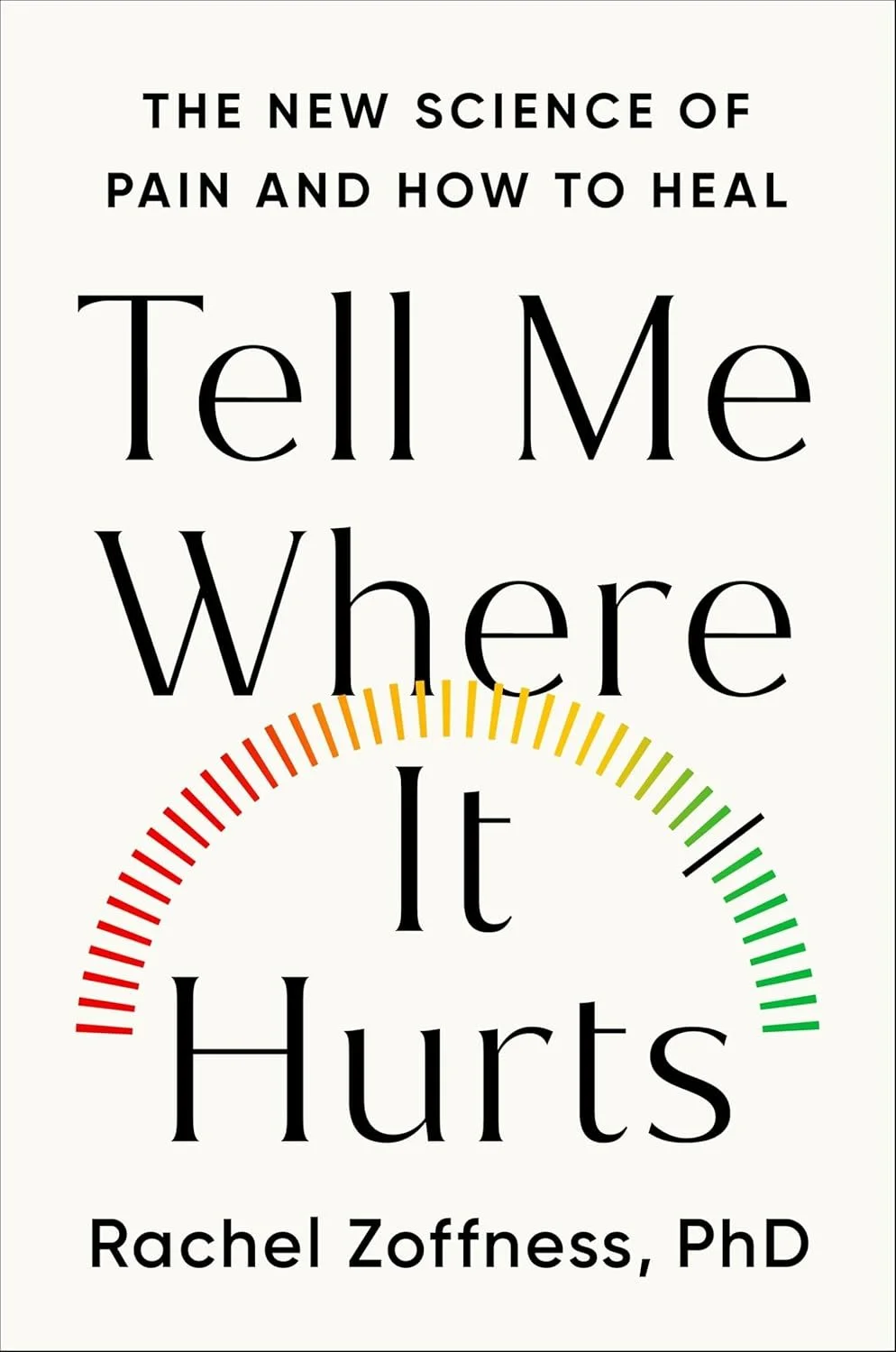
Tell Me Where It Hurts
Author Rachel Zoffness, PhD, is a psychologist who specializes in treating pain. As such, she takes a “psychobiosocial” approach, believing that pain is not just a physical symptom, and is intertwined with our emotional and mental health. Your knee may be sore and your back may ache, but according to Zoffness, “pain is constructed in the brain” and needs to be treated holistically, not just with medication or surgery.
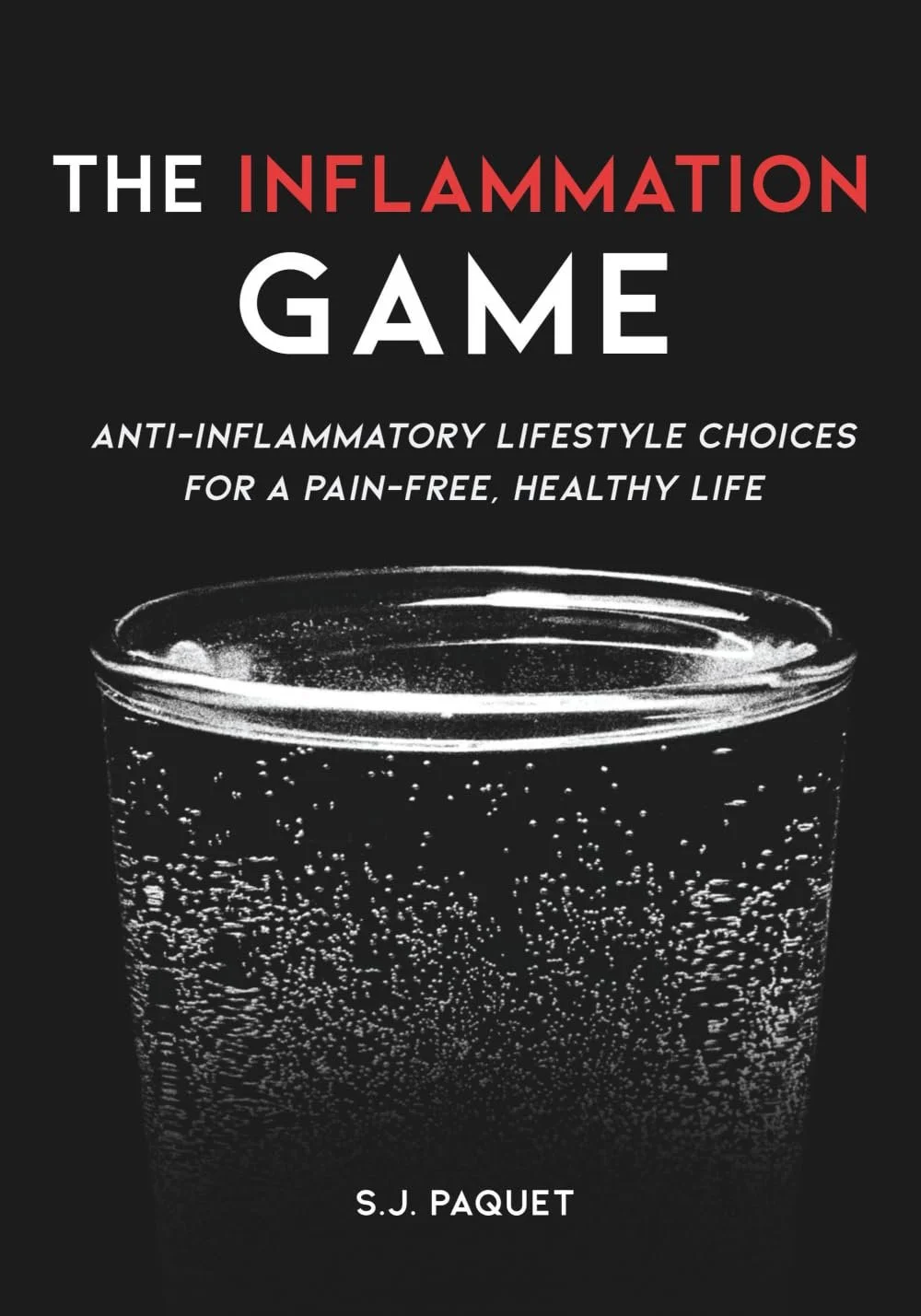
The Inflammation Game: Anti-Inflammatory Lifestyle Choices
Author S.J. Paquet was immobile, depressed and overweight two years after rupturing an Achilles tendon. She was also in pain as chronic inflammation took hold of her body. That’s when she started learning about anti-inflammatory diets, holistic healing, and gentle yoga techniques. In this book, Pacquet shares how she restored her health from the inside out.
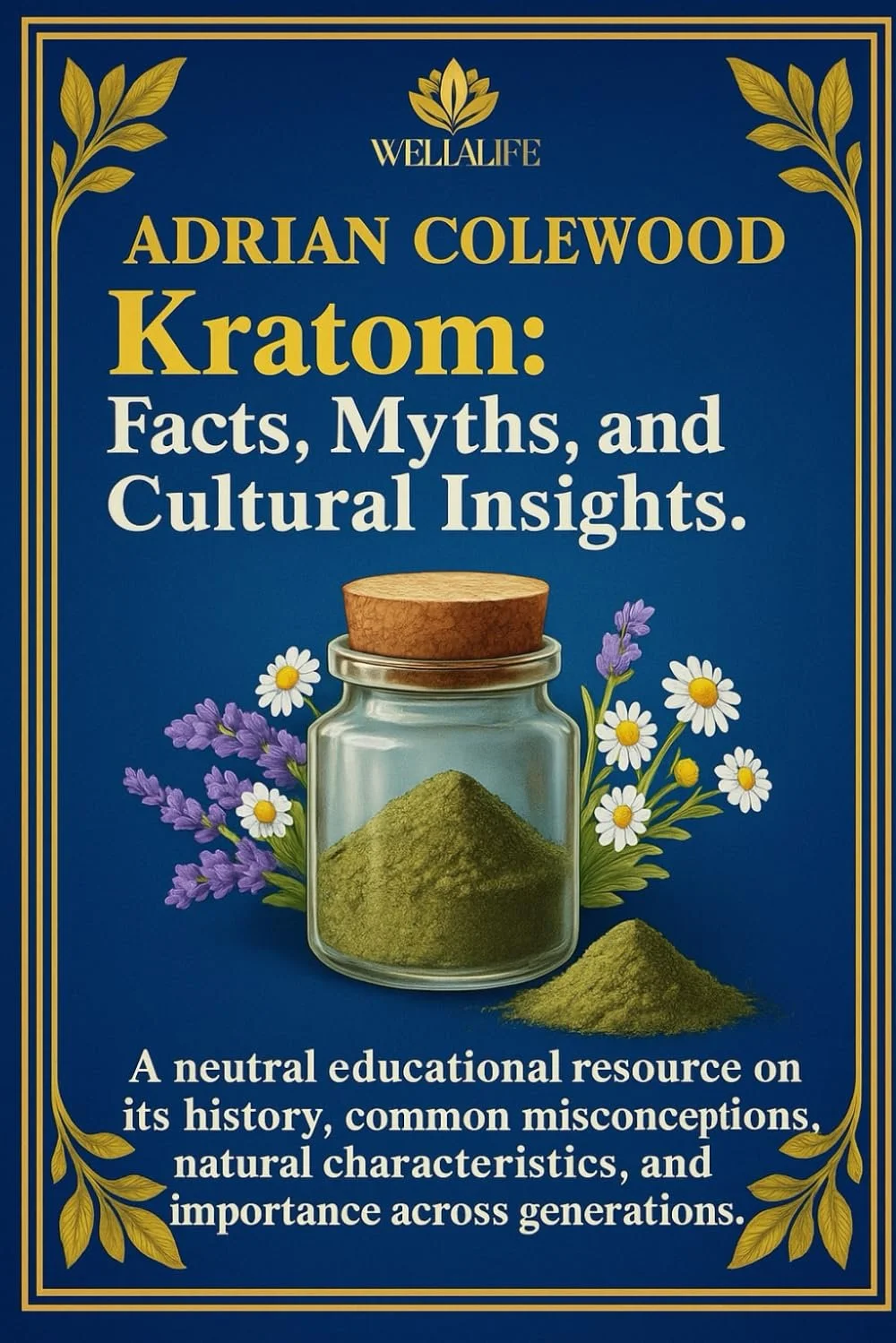
Kratom: Facts, Myths, and Cultural Insights
This is one in a series of books by Adrian Colewood that seeks to present a balanced and neutral view on kratom, a controversial supplement used by millions to relieve pain, anxiety, depression and withdrawal. With kratom facing new regulations and outright bans due to its opioid-like effects, the book explores the myths and misinformation about a medicinal plant that’s been used for centuries in southeast Asia as a natural stimulant and pain reliever.
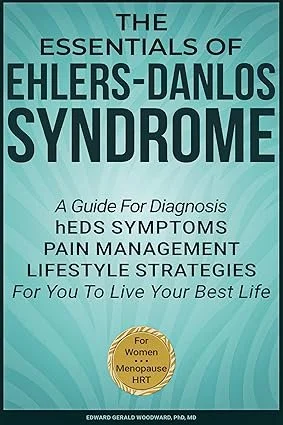
The Essentials of Ehlers-Danlos Syndrome
This book is intended to help people understand and manage Ehlers-Danlos syndrome (EDS), a genetic and painful disorder that presents as a confusing set of symptoms that are often misdiagnosed. Topics covered include the 7 sub-types of EDS, what specialists to see, and how to create a personalized care plan to manage pain flares and fatigue.
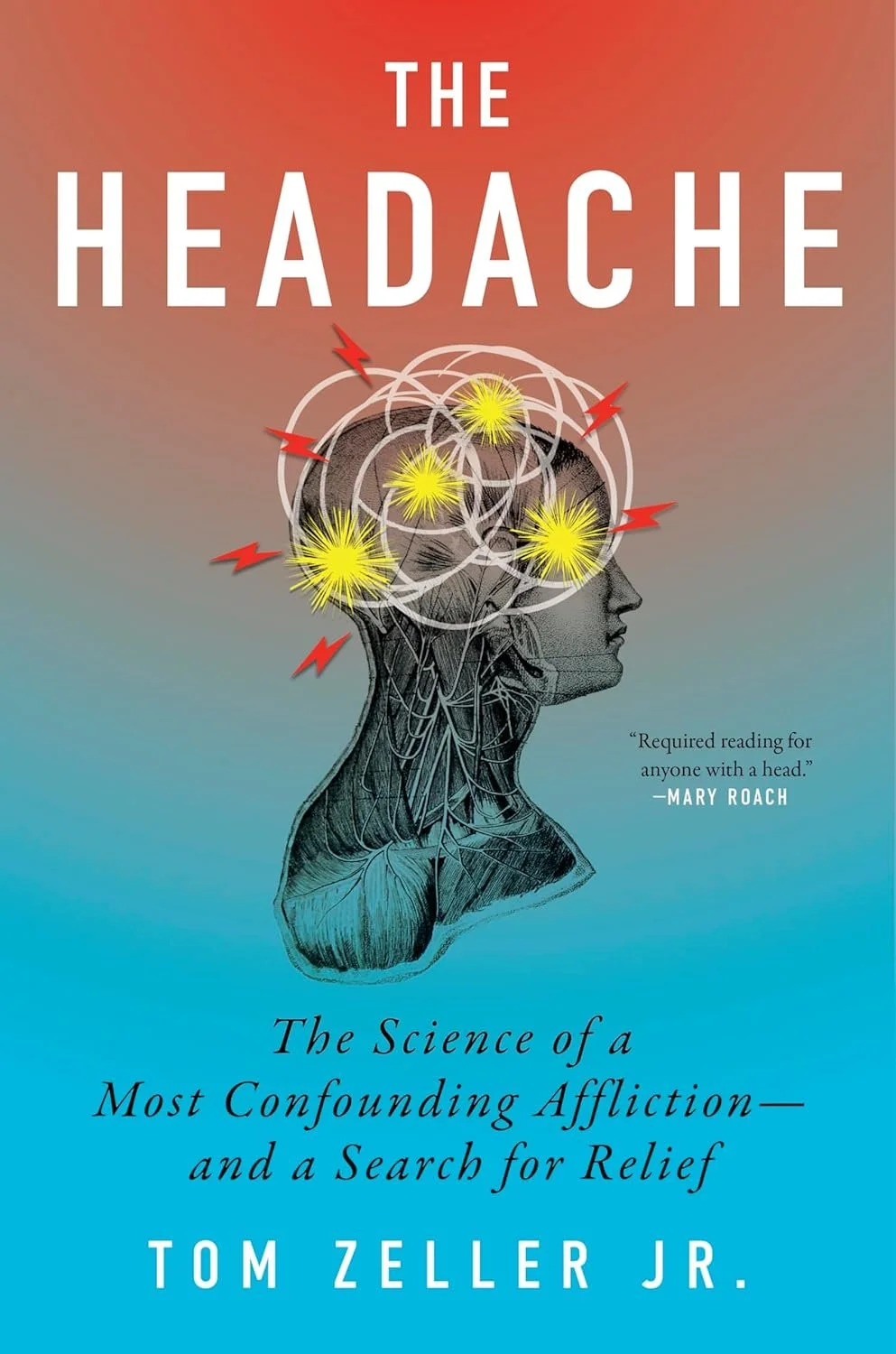
The Headache: The Science of a Most Confounding Affliction
Over 3 billion people worldwide suffer from a headache disorder, including author Tom Zeller Jr., who suffers from cluster headaches. Zeller wrote this book to better understand what causes migraines and headaches, and why there are few effective treatments for such a common condition. Zeller looks at the inner workings of the human nervous system and provides a vivid account of the disabling pain that headache sufferers endure.
The Complex PTSD Workbook for Self-Healing
Has chronic pain or a chronic illness left you exhausted — physically and emotionally? Do you live in dread of another pain flare or sleepless night? Alex Carter wrote this self-help handbook to guide you on a 6-week action plan to overcome Post Traumatic Stress Disorder (PTSD) with practical ways to help quiet your mind and nervous system.
Secrets to Long Haul Viral Recovery
Author Michael Alcock is a “long-hauler” from Covid-19 and the Epstein-Barr virus, who spent a decade researching why some people are more prone to long-haul viral infections, while others recover easily. This book explains how to recover holistically from viral infections like long Covid by strengthening the immune system through better nutrition, vitamins and supplements.

Hip Pain Relief For Seniors
This book is designed for older adults who want to overcome hip pain and limited mobility without surgery or medication. Simple and gentle exercises can be done at home to regain flexibility, strength and movement. These “senior-friendly routines” will help you stay active and independent, including older adults recovering from hip replacement or arthritis.
Hormone Therapies in Chronic Pain Care
Dr. Forest Tennant strongly believes it is time to incorporate hormonal therapies into the care of essentially every chronic pain patient. He wrote this book to share many of the lessons learned from treating patients with adhesive arachnoiditis and other intractable pain conditions, who responded well to hormonal therapy as a way to revive and regenerate damaged nerve tissue. Hormones can also be used to help make medication more effective.

The Formula for Better Health: How to Save Millions of Lives
Former CDC Director Tom Frieden, MD, believes the U.S. public health system is in crisis due to budget cuts and backsliding on vaccines. Readers hoping he would explain, defend or apologize for the CDC’s disastrous 2016 opioid prescribing guideline will be disappointed. Frieden’s focus is on preventing deaths from infectious diseases such as tuberculosis and Ebola — not the deaths and suffering caused by the opioid guideline that he helped create.
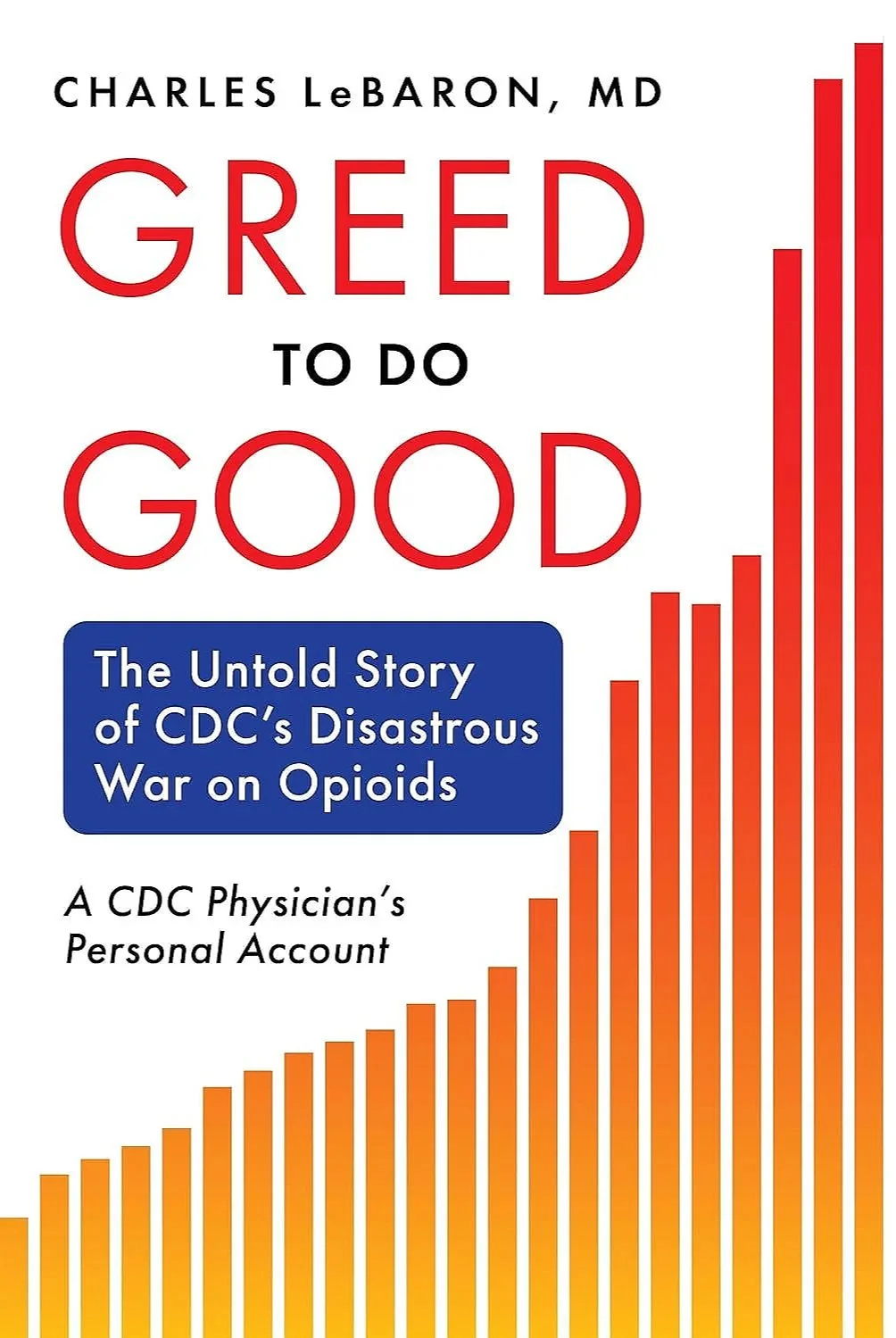
Greed to Do Good: The CDC’s Disastrous War on Opioids
Dr. Charles LeBaron worked for nearly three decades as an epidemiologist for the CDC. Although not directly involved in the CDC’s opioid guideline, LeBaron recognized its disastrous consequences after he became a pain patient himself and needed opioids. In this book, he gives an insider’s perspective on the CDC’s institutionalized arrogance and how its misguided strategy to reduce overdoses only made the opioid crisis worse.
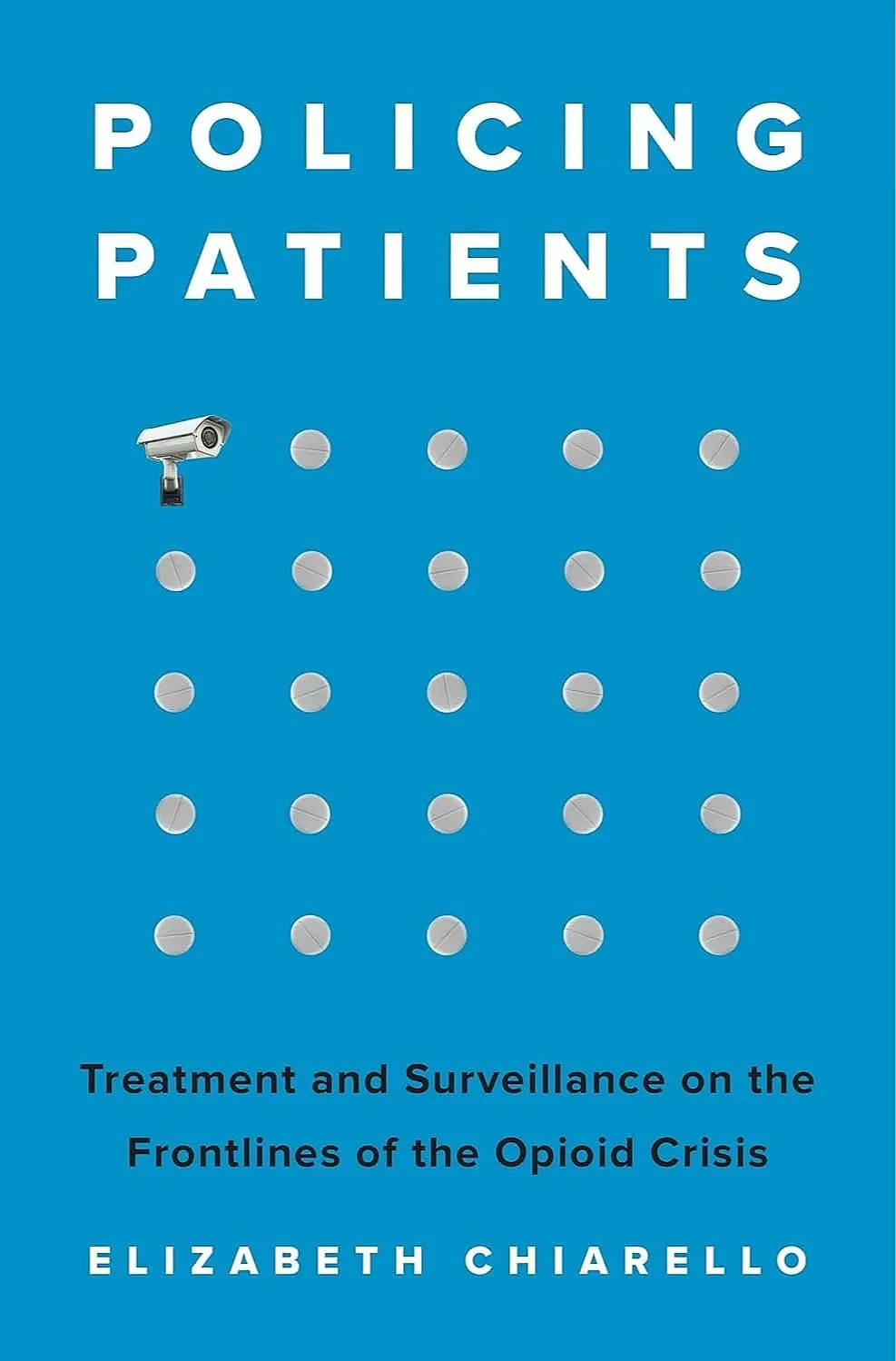
Policing Patients: Treatment and Surveillance of the Opioid Crisis
Prescription Drug Monitoring Programs (PDMPs) were launched across the country to help prevent opioid addiction and save lives. In actuality, author Elizabeth Chiarello writes that PDMPs are “Trojan horse” surveillance tools used by law enforcement to spy on patients. PDMPs interfere with the practice of medicine by turning doctors and pharmacists into undercover agents — often pitting them against their own patients.

Doctor Bison’s Fables: An Allegory of the American Pain Refugee Crisis
Dr. Mark Ibsen uses animals as lead characters in a series of fables to convey the crisis faced by many pain sufferers in the U.S. Doctor Bison and his patient (an otter) are joined in a crowded exam room by a menagerie of other animals representing insurers, hospitals, federal health agencies, and law enforcement. All want to have a say in what Dr. Bison prescribes to his sick patient — resulting in little actual treatment for the otter.

Z’s Odyssey
In his sequel to “Patient Z,” author Stefan Franzen updates the personal story of a loved one with intractable pain who was unable to find effective treatment due to the crackdown on prescription opioids. He eventually found relief by taking buprenorphine, a “widely misunderstood” opioid that, when used in its purest form, can be just as potent as morphine.


